Seal out moisture. Stop mold. Protect your home from the ground up.
I'm Ready For A Free Quote
Thank You For Your Submission!
A team member will be reaching out to you shortly.





These problems start small. They don't stay small.
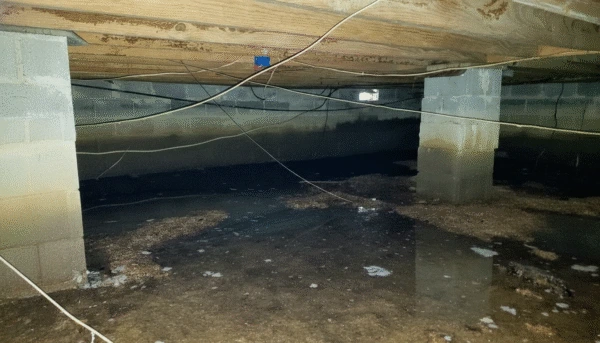
That damp, earthy smell in your home isn't coming from dirty carpet. It's coming from your crawl space. Moisture trapped under the house feeds mold — and the air carries that smell straight into your living space.
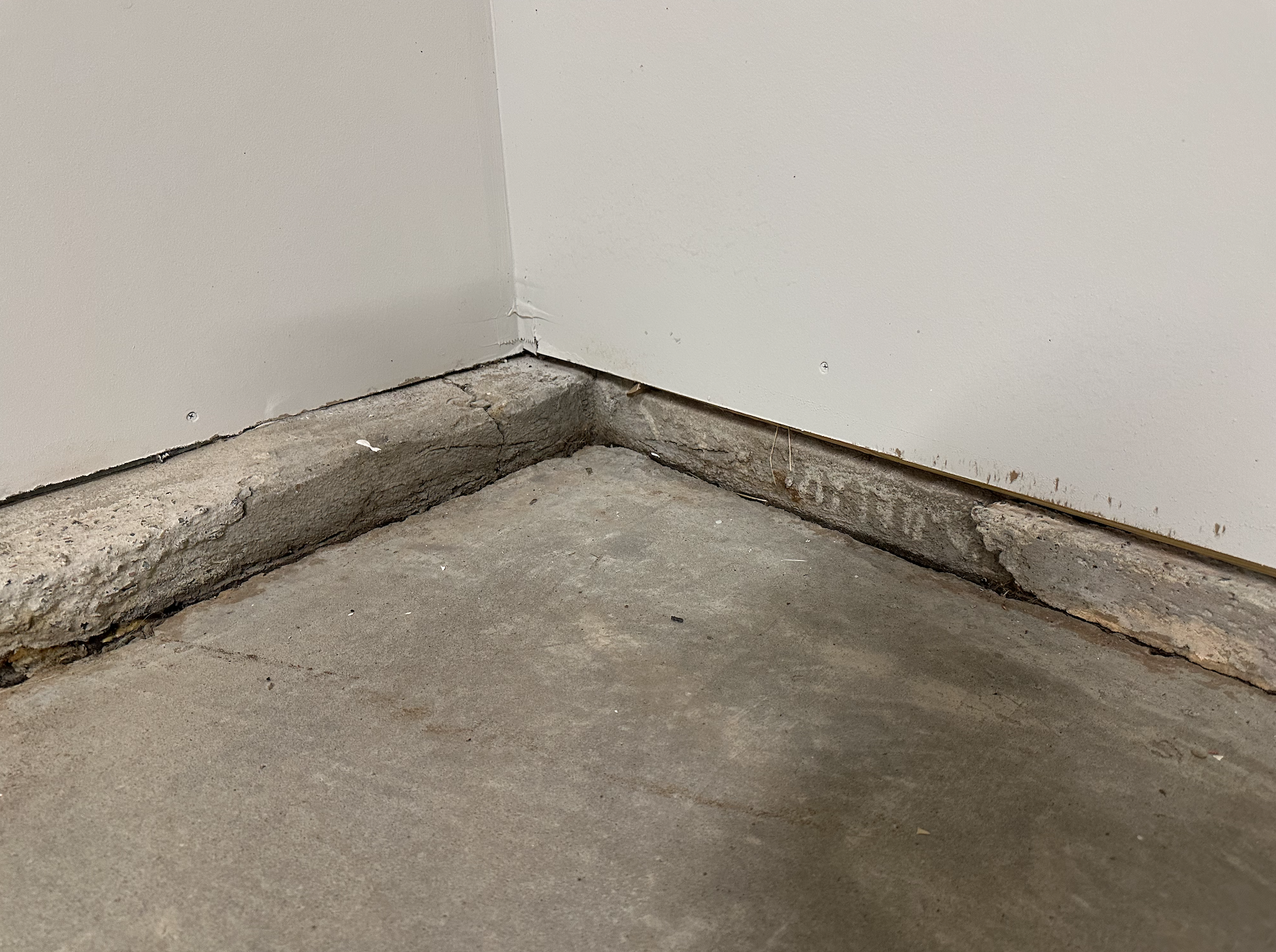
When moisture sits on wood long enough, it softens. Floor joists weaken. The subfloor loses its grip. You feel it every time you walk across the room — the floor gives more than it should. If the structure is already damaged, crawl space repair fixes the framing before encapsulation seals it up.
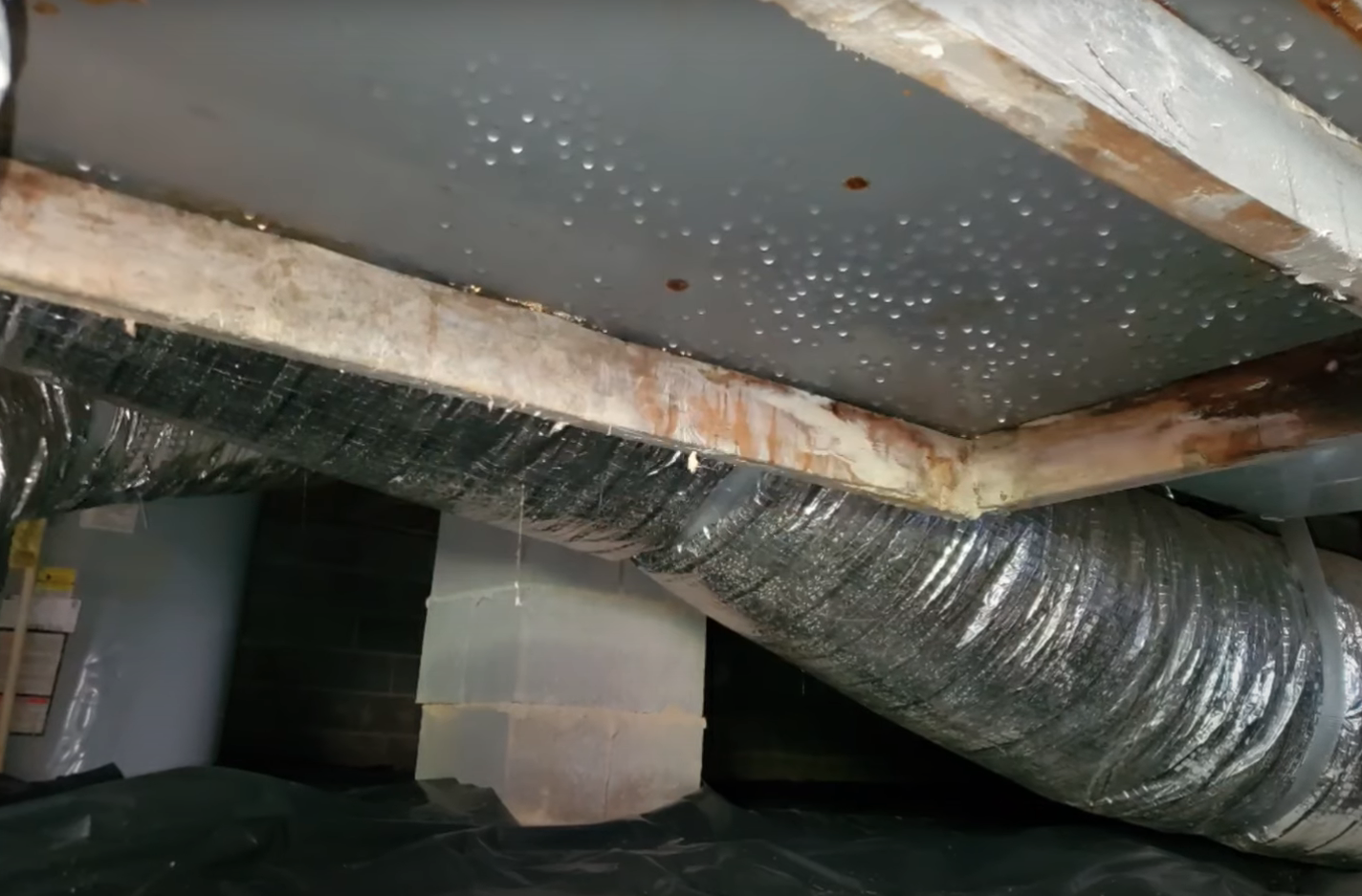
White, green, or black patches on the wood under your house mean mold has already taken hold. It spreads fast in a damp crawl space — and up to half the air on your first floor comes from below.
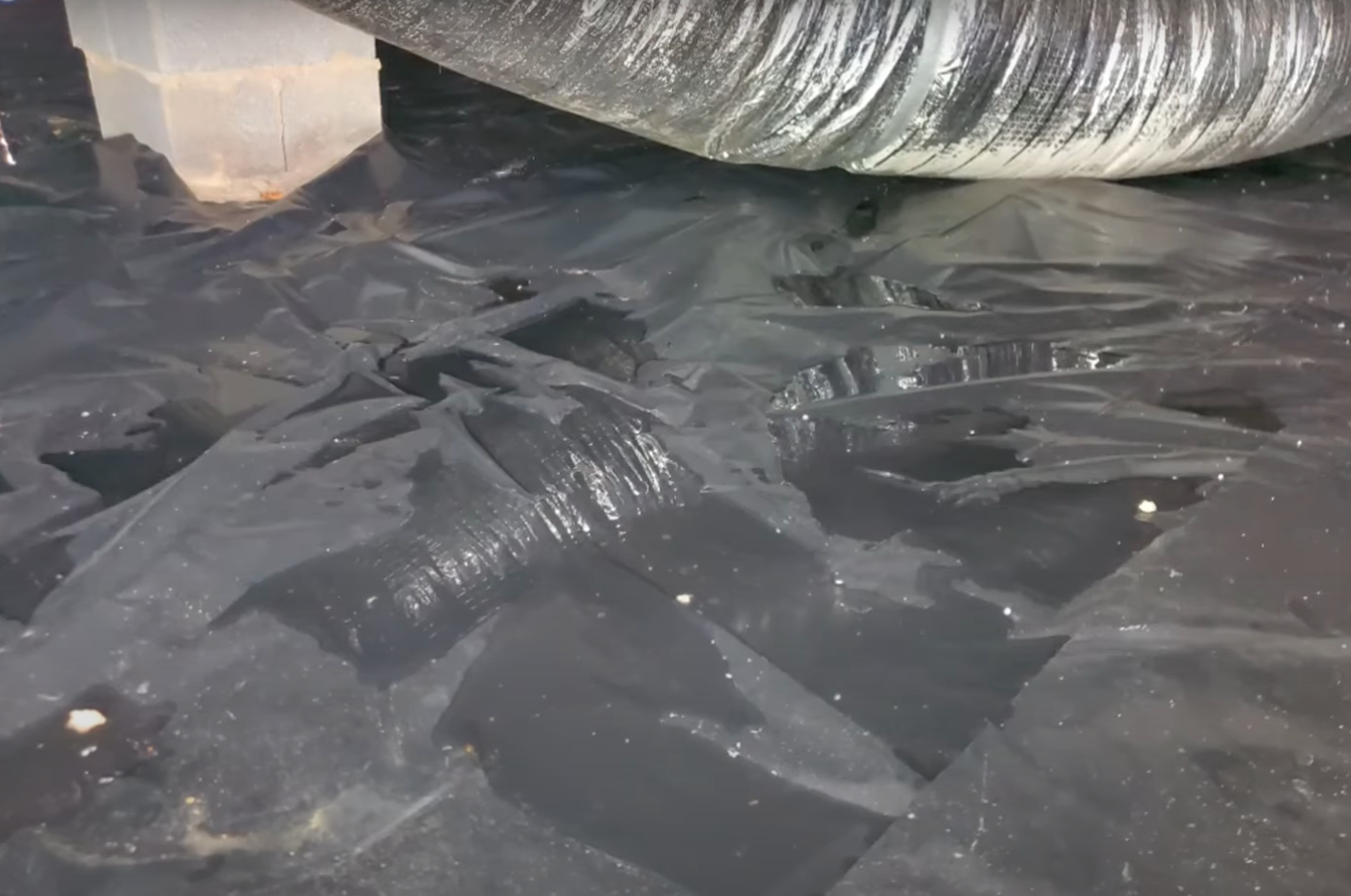
Foggy windows in summer. A house that always feels clammy. Your HVAC runs nonstop but the air never feels right. The source is often an open, uncontrolled crawl space pushing moisture into every room above it.
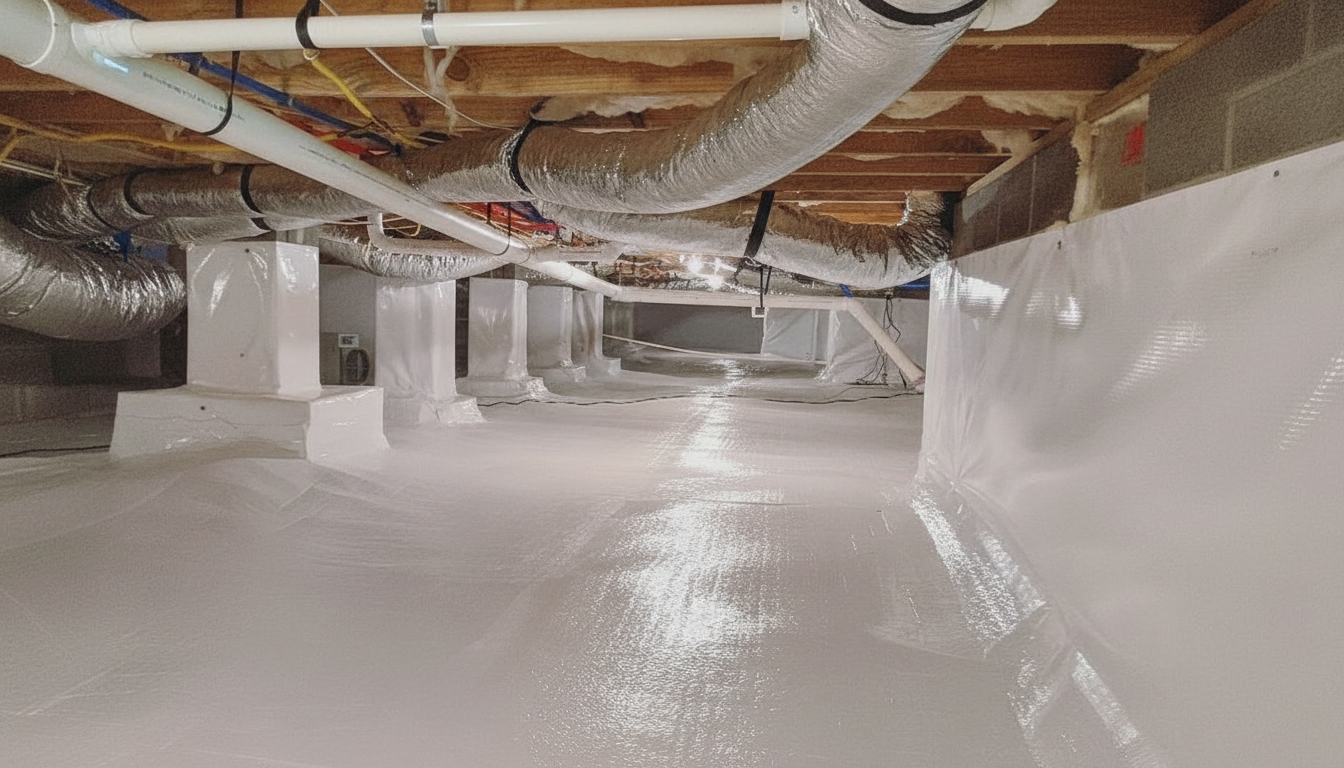
Crawl space encapsulation turns a damp, open crawl space into a sealed, dry environment. A heavy-duty 20-mil vapor barrier covers the floor and walls. Every seam is sealed. Every pier and column is wrapped. The result is a moisture-proof envelope that stops water vapor, mold, and outside air from reaching the wood structure of your home.
But the barrier alone isn't enough. A sealed crawl space needs active moisture control to stay dry year-round.
A commercial-grade dehumidifier keeps humidity below 55% inside the sealed space. It runs automatically and drains on its own — no buckets to empty, no settings to manage. Without it, moisture has nowhere to go once the space is sealed.
Open vents pull in hot, humid air in summer and freezing air in winter. Both cause condensation on every surface inside the crawl space. Sealing the vents permanently stops this cycle and lets the encapsulation system do its job.
When water actively enters the crawl space, drainage comes first. A perimeter drain system collects water and routes it to a sump pump that removes it before it reaches the sealed barrier. Encapsulation without drainage is like sealing water inside a bag.
Our Process
We go into the crawl space, check moisture levels, inspect the joists and subfloor, and document everything with photos. You see exactly what we see — and we explain what it means in plain language.
If water is getting in, we fix that first. Perimeter drains and a sump pump go in before anything else. You can't seal a crawl space that's still taking on water.

A reinforced 20-mil liner covers the entire floor and extends up the walls. Every seam is taped. Every pier is wrapped. Every edge is sealed to the foundation wall. No gaps. No shortcuts.
A commercial-grade dehumidifier is installed and set to maintain safe humidity levels automatically. We verify the readings before we leave — and check again during a follow-up visit to make sure the system is performing.
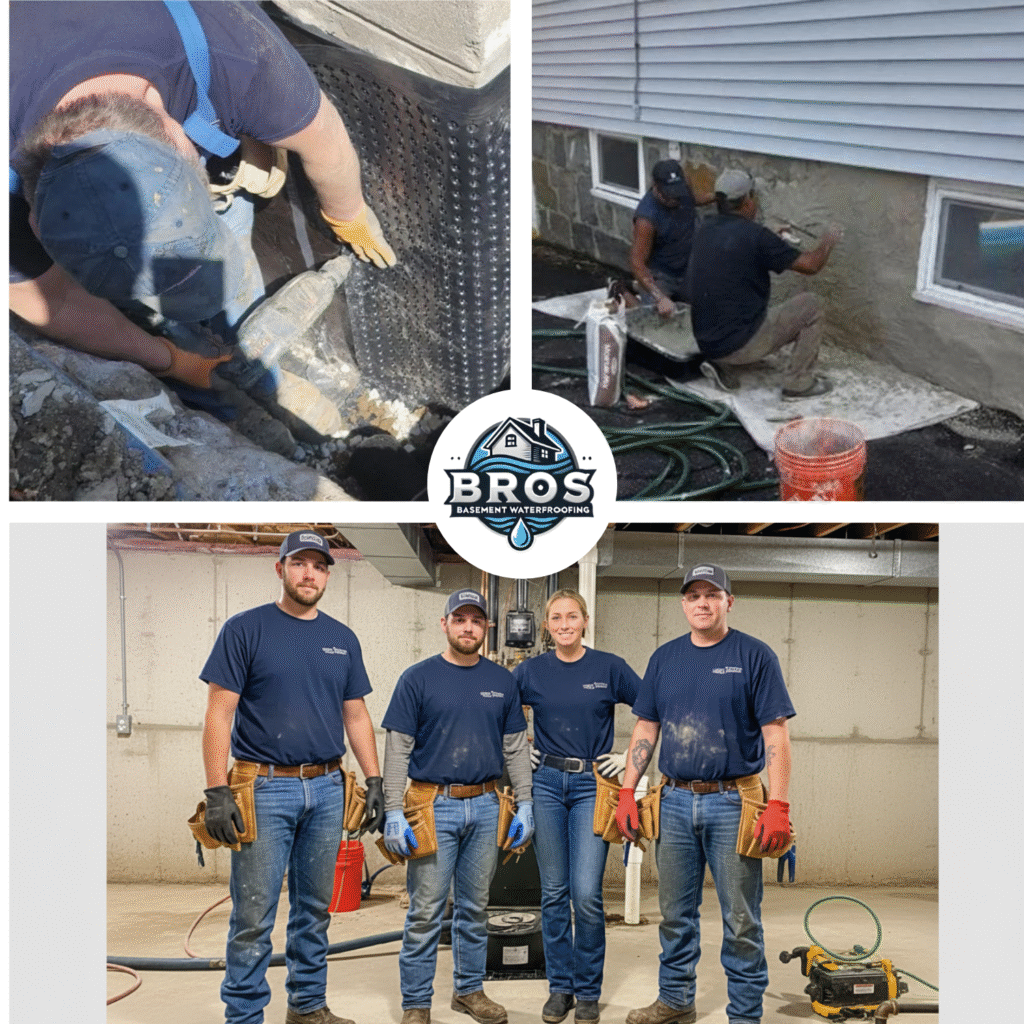
We don't send a salesperson to your house. The person who inspects your crawl space understands the work because they've done the work. You get straight answers about what's happening under your home, what needs to be fixed, and what it costs — before you commit to anything.
Every encapsulation we install uses a 20-mil reinforced vapor barrier — not the thin 6-mil sheeting that tears within a year. Our dehumidifiers are commercial-grade units sized for crawl spaces, not household machines from the hardware store. The materials matter because they determine whether the job lasts or fails.
We tell you what you need. We also tell you what you don't. If your crawl space has a minor issue that doesn't require full encapsulation, we'll say so. No pressure. No upselling. Get your quotes, compare the details, and choose the company that earns your trust — we're confident in what we deliver.
Get My Free Quote
A vapor barrier is a sheet of plastic on the crawl space floor. Full encapsulation goes further — the barrier covers the floor and walls, every seam is sealed, the vents are permanently closed, and a dehumidifier controls humidity. A vapor barrier slows moisture. Encapsulation stops it.
A properly installed encapsulation system lasts 20 years or more. The 20-mil vapor barrier is built to resist tears and wear. The dehumidifier typically lasts 8-12 years before needing replacement. Maintenance is minimal — check the dehumidifier filter once or twice a year and inspect the barrier annually.
Yes. Mold needs moisture to grow. Encapsulation removes the moisture source by sealing the crawl space from ground vapor and outside air, then actively controlling humidity with a dehumidifier. Without moisture, mold cannot survive or spread.
Yes. Sealing the crawl space without a dehumidifier traps moisture inside with no way out. A commercial-grade dehumidifier keeps humidity below 55% — the level where mold, wood rot, and pest problems stop. It runs automatically and drains on its own.
It does. A sealed, dry crawl space is a selling point during inspections. Buyers and inspectors look for moisture damage, mold, and structural issues — an encapsulated crawl space shows the home has been protected. It also avoids the price reductions that moisture problems cause during negotiations.
Bros Basement Waterproofing provides crawl space encapsulation across all of our service areas. Each system is designed for local soil and climate conditions to deliver lasting moisture protection. Schedule your free crawl space inspection to find out exactly what your home needs.