Stop the damage before it spreads. We find the problem and fix it for good.
I'm Ready For A Free Quote
Thank You For Your Submission!
A team member will be reaching out to you shortly.




These warning signs mean your foundation is under stress. The sooner you act, the simpler the fix. A foundation inspection tells you which of these is serious and which is cosmetic. Catching it early keeps a small foundation repair from turning into a large one.
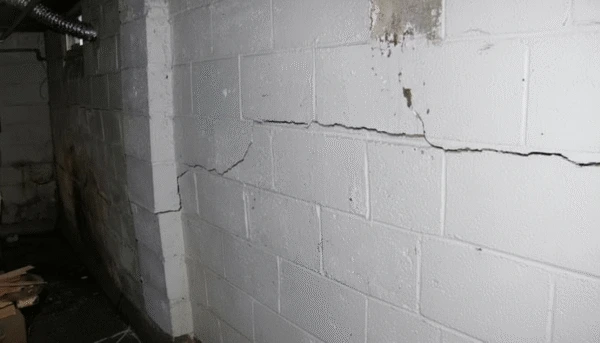
A crack running sideways across your basement wall means the soil outside is pushing inward. This type of crack gets worse with every rain and every freeze. It won't stop on its own. Sideways movement like this calls for reinforcement rather than patching. Left alone it is the failure most likely to need full foundation stabilization.
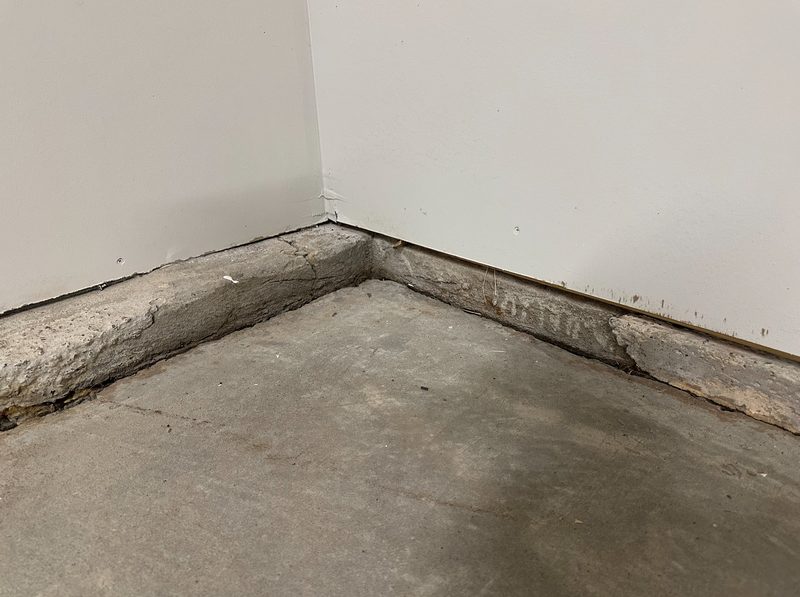
If your basement wall curves inward or leans, the soil pressure has already moved it. Walls that bow more than two inches need professional reinforcement before the damage gets worse. Past that point, wall repair on its own will not hold it. The fix has to restore stability to the whole assembly.
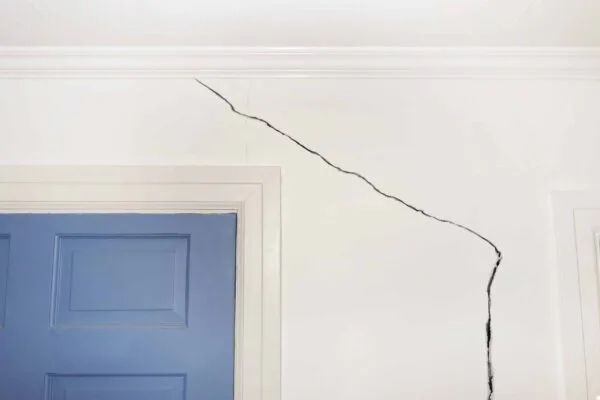
Doors that won't close and floors that slope are signs your foundation has shifted. The frame of your house follows the foundation — when one moves, everything moves. Movement like this often traces back to the slab or the footing settling unevenly. A foundation repair that only treats the symptom upstairs will not stop it.
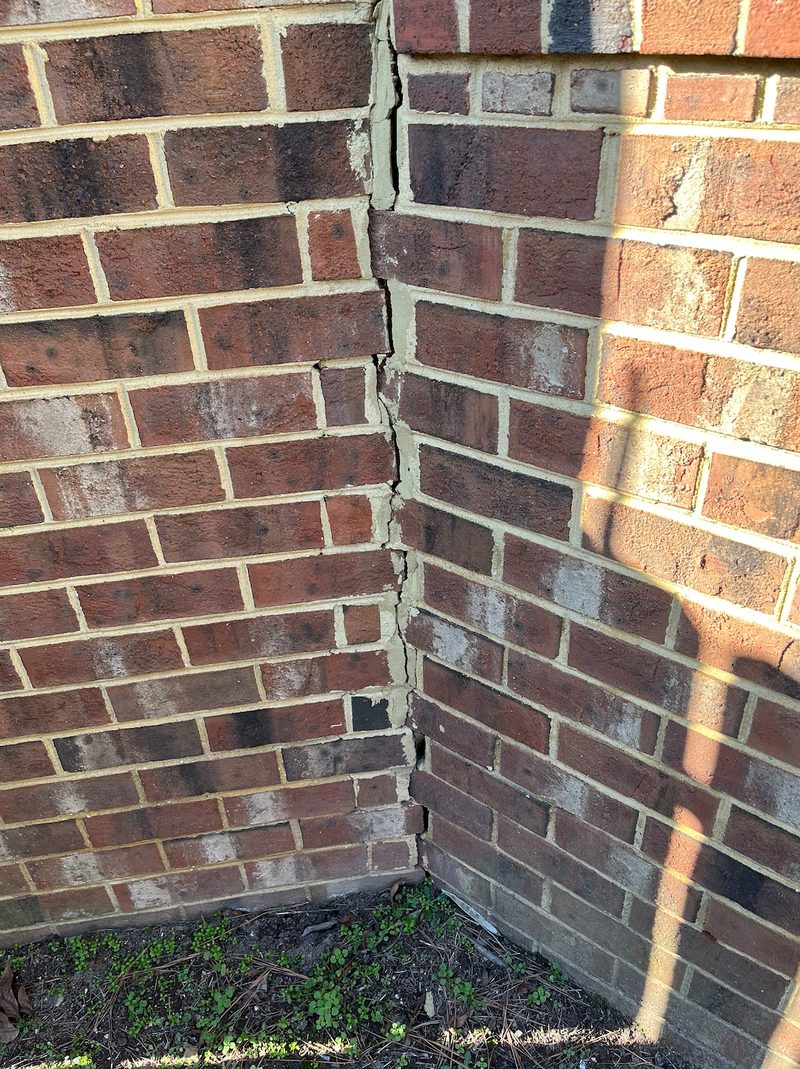
Cracks that follow a stair-step pattern through the mortar joints of a block wall mean the wall is separating under pressure. This pattern shows structural movement — not just surface wear. Block foundations fail along the mortar joints first, so the pattern shows where the load is going. That is what decides which foundation solutions apply.
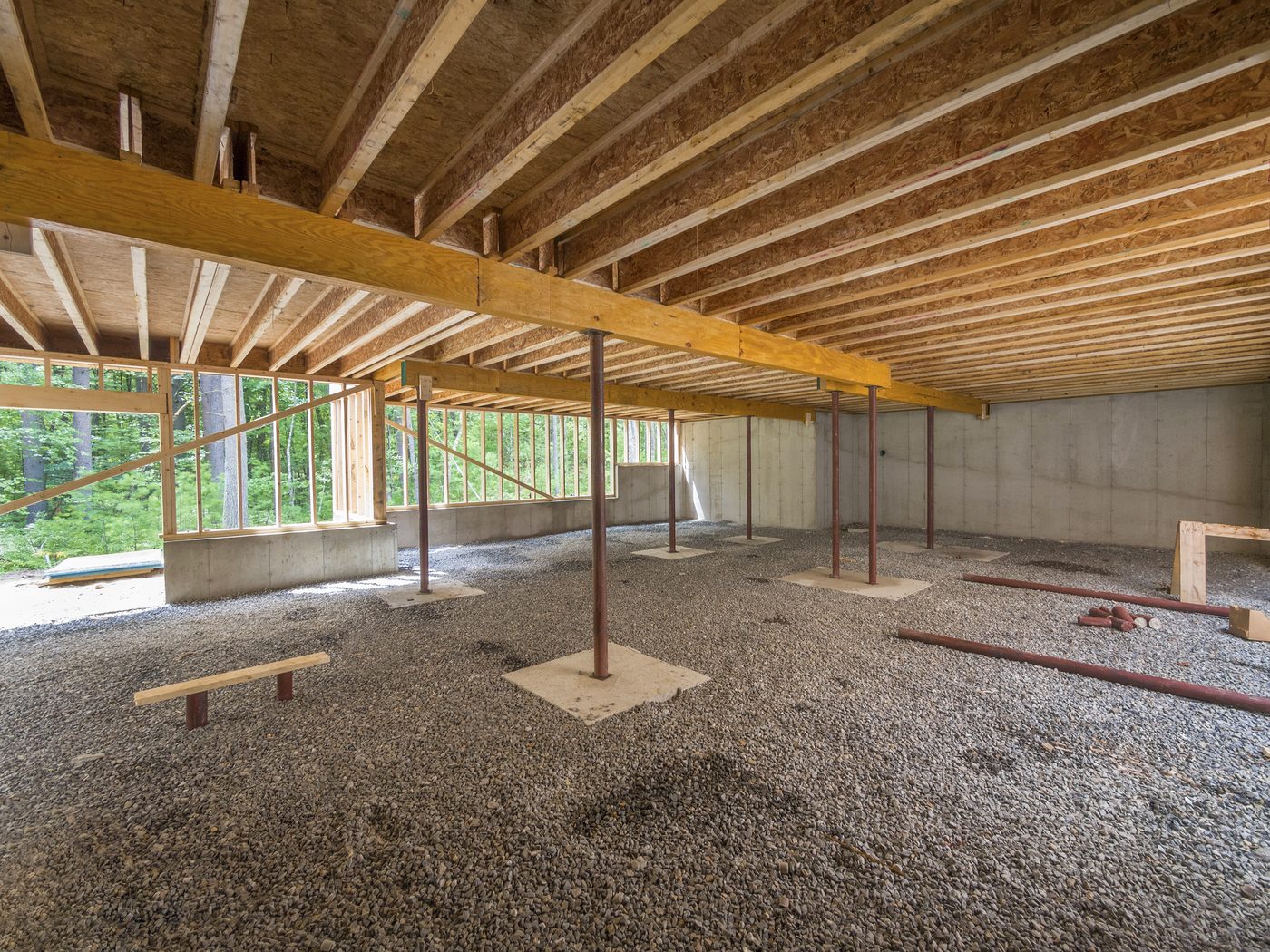
Water gets into basements because the soil around your foundation holds moisture. When it rains or the snow melts, that moisture pushes against your walls and floor. Concrete is porous — it can't hold water back forever. That's the problem. And paint, sealant, or patching cement from the hardware store won't solve it. Those products trap water behind the surface. The pressure stays. The damage continues. Soil movement drives most foundation failure, not just water, and keeping that load off the wall is what helps prevent both.
Carbon fiber strips bond directly to your basement wall and stop it from moving any further. This works best when a bowing wall is caught early — less than two inches of inward movement. The strips are stronger than steel, installed in a single day, and permanently lock the wall in place. No excavation. No ongoing maintenance. It is the least invasive of the foundation repairs we do, and it leaves the slab and the finished space untouched.
Exterior waterproofing stops water before it touches the inside of your home. We excavate down to the foundation footer, clean the wall, apply a waterproof membrane and drainage board, and install a new footer drain. This protects the wall itself from water damage and deterioration. It's more involved than interior work, but it addresses the source directly. Where the footing has dropped instead, piers carry the load. Helical piers reach stable soil below the depth that moves.
For isolated cracks in poured concrete walls, we inject epoxy or polyurethane resin directly into the crack. The material fills the full thickness of the wall and seals it from the inside out. Epoxy bonds the crack structurally. Polyurethane stays flexible for walls that still shift slightly. One crack doesn't always mean a full system — but left alone, one crack becomes the start of a bigger problem. A basement waterproofing inspection helps determine if water pressure is driving the cracking. Injection is the right call on a stable wall and the wrong one on a moving wall. Industry practice is to measure the movement first, and that is what we do.
Our Process
We inspect your foundation inside and out. We measure wall movement, check crack patterns, test floor levels, and examine drainage around your home. You get a clear explanation of what we find — no jargon, no pressure. The inspection is free. We check the slab, the footing line and the exterior grade, then tell you what the foundation repair actually requires.
Every foundation problem has a specific cause and a specific fix. We match the right repair method to your situation and give you a written estimate with no hidden costs. If your home doesn't need repair, we'll tell you. The proposal names the method and the average cost for that method, so nothing arrives as a surprise later.

Our crew handles the full repair — from setup to cleanup. Most jobs take one to three days. You stay in your home during the work. We protect your property and leave it the way we found it. Most foundation repair work is finished without anyone moving out, and crews protect the slab while they work.
We walk you through everything that was done. You get written warranty documentation before we leave. We follow up to make sure the repair is performing exactly as expected.
We tell you exactly what's wrong and exactly what it takes to fix it. No scare tactics. No pressure to sign today. If your foundation doesn't need repair, we'll say so. We'd rather earn your trust with honesty than sell you a job you don't need. We quote foundation repair services against what we measured, not against a price list.
Every repair we recommend is matched to your specific problem. A bowing wall, a settling corner, a leaking crack, and crawl space structural damage are all different issues that need different solutions. We use the method that fits — not the method that costs the most. And we back every repair with a written warranty so you know exactly what's covered. Industry shorthand lumps those failures together, and that is how people end up paying for the wrong system.
Foundation problems get worse and more expensive over time. What costs a few thousand dollars today can grow into a major structural project in just a few years. We help you fix it now — while the repair is still manageable — with financing options that make it fit your budget. Waiting turns a targeted foundation repair into a staged one, and the cost follows.
Get My Free Quote
It depends on the type of damage, how many walls are affected, and which repair method is needed. A single crack repair costs far less than stabilizing a full wall or lifting a settled foundation. The free inspection gives you a written estimate with real numbers — no guessing and no surprises. We also offer financing so the cost doesn't have to stop you from protecting your home.
The damage gets worse. A wall bowing one inch today could reach three inches in a few years — and the repair method and cost change completely. Cracks widen and let water in. Settling causes more doors to stick, more floors to slope, and more cosmetic damage throughout your home. Early repairs are always smaller, faster, and less expensive.
In most cases, no. Standard homeowner policies consider foundation damage a maintenance issue, not sudden damage. Some policies cover foundation problems caused by a specific covered event like a burst pipe, but the repair itself is rarely included. That's one more reason to fix the problem early — before the cost climbs higher.
Most repairs take one to three days. A crack injection can be done in a few hours. Carbon fiber reinforcement usually takes one day. A pier system for a settling foundation may take two to three days depending on how many piers are needed. You can stay in your home during the work.
Yes — when the right method is used for the right problem. Carbon fiber stops wall movement permanently. Piers driven to stable soil hold the foundation in place for the life of the home. Each repair comes with a written warranty, and many are transferable if you sell your home. A warranted foundation repair can actually be a selling point — it means the problem was professionally diagnosed and fixed.
Bros Basement Waterproofing provides foundation repair across all of our service areas. Schedule your free inspection to find out exactly what your home needs.