
Stop basement flooding before it starts. We install the right system for your home — done right the first time.
I'm Ready For A Free Quote
Thank You For Your Submission!
A team member will be reaching out to you shortly.




If you notice any of these, water is already finding its way in. Any one of them means the sump pump you have is undersized, failing, or missing altogether. A pump that copes in spring can still be overwhelmed by one heavy storm, and that is when a basement floods. A pump is the only part of a basement system that has moving parts, so it is the part that wears out. Most homes only find out the pump failed after the water is already up.
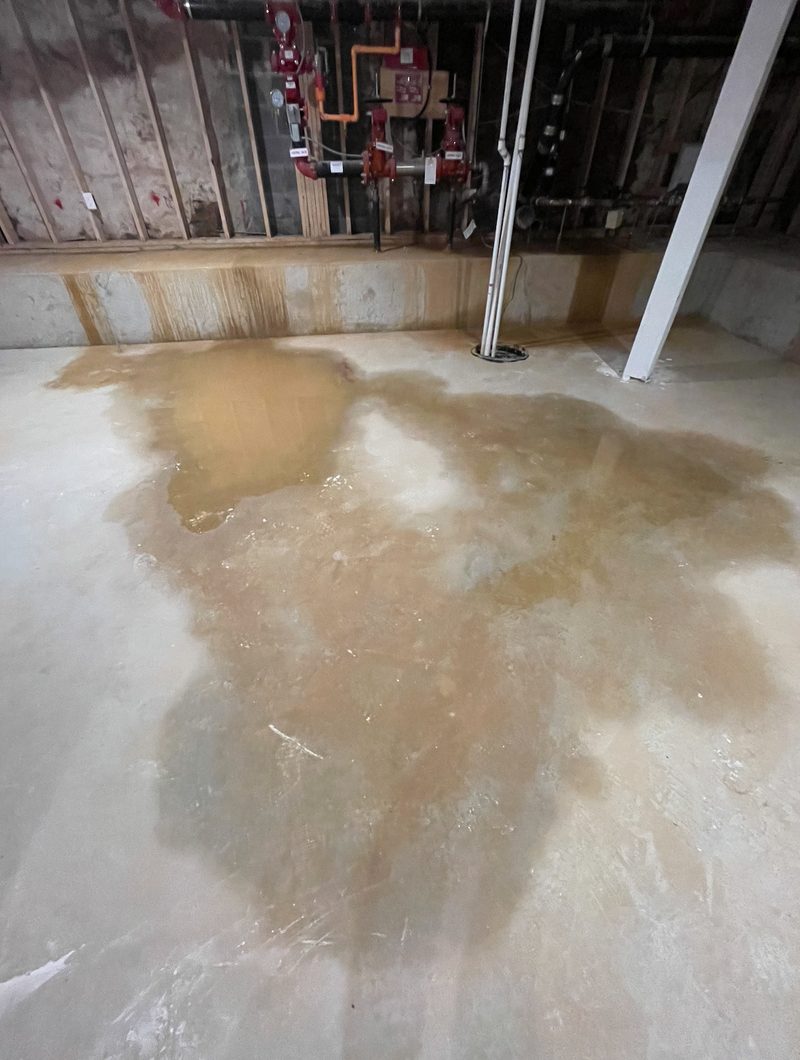
Water pooling on your basement floor after rain means water is pushing in through the slab or walls. It won't stop on its own — it comes back every time it rains. Water on the floor means it is arriving faster than it leaves. A pump set in a properly sized sump pit moves it out before it spreads across the basement. A pump on a dedicated GFCI circuit will not trip out when the freezer starts. A pump alarm is worth the small extra cost for exactly that reason.
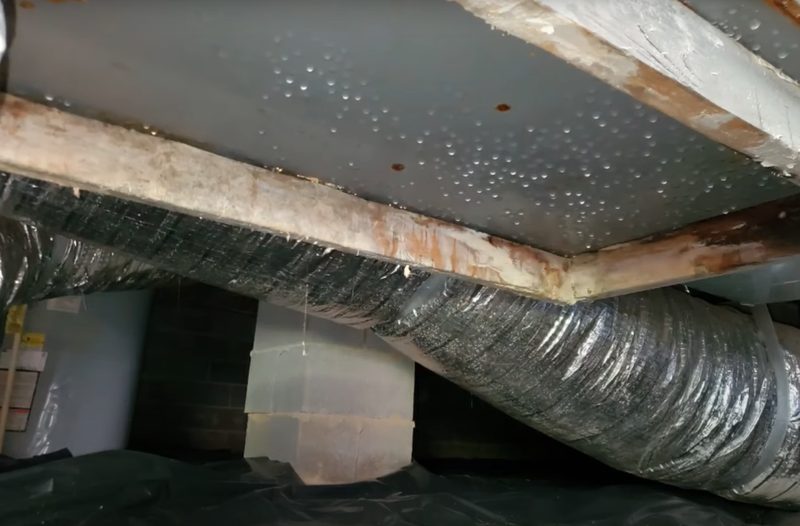
That damp, earthy smell isn't just "basement smell." It's moisture trapped with nowhere to go. Mold can start growing within 48 hours of water exposure. Mold follows standing water, so the pump is the part that stops it. A pump that runs but never clears the sump is doing nothing for the home above it. A sealed lid on the pump keeps that damp air out of the basement instead of letting it evaporate upward. A pump cannot dry a basement on its own, but it stops the water that feeds the mold.
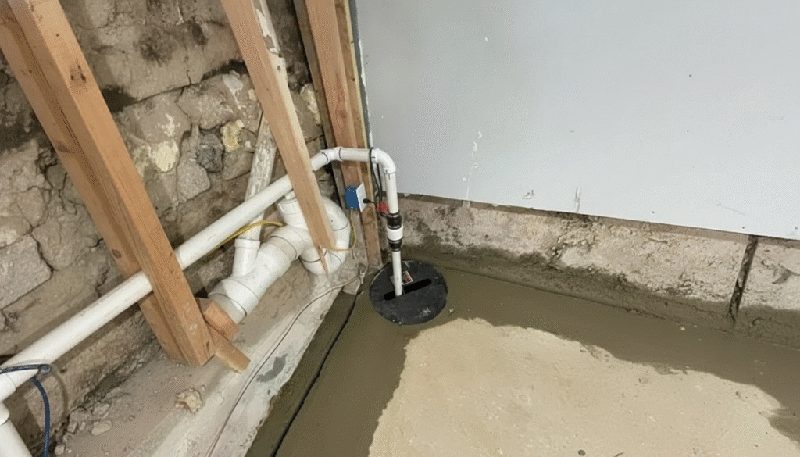
A pump that runs nonstop is overwhelmed or failing. A pump that won't kick on at all has already failed. Either way, your basement is unprotected. A pump running nonstop usually means the pit is too small or the float sits wrong. One that never runs may have a stuck float, a failed check valve, or a discharge pipe that is blocked. Float switches wear before motors do, and a tethered float needs more room in the sump than a vertical one. We test the float and the pump together, because one failing looks exactly like the other.
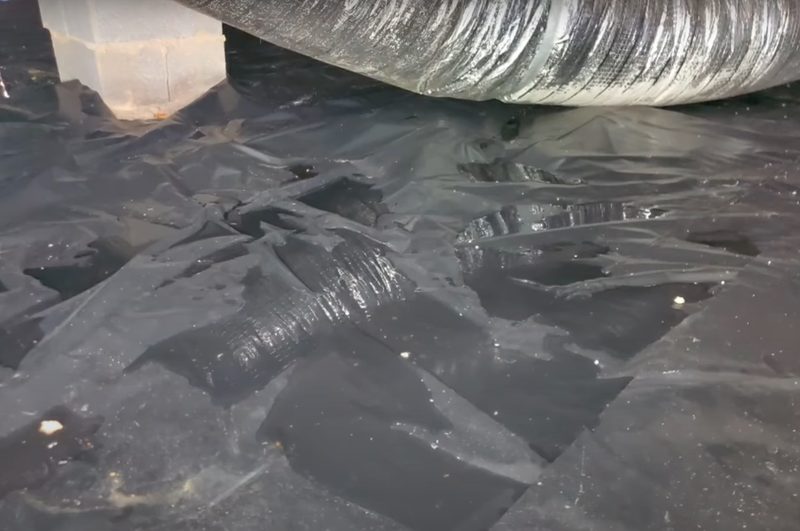
White mineral deposits or dark water lines on your walls mean water is actively moving through your foundation. The stain is the evidence — the water is the problem. Staining shows where water has been sitting against the foundation. Drainage into a sump pit is what removes it, and the sump pump is what keeps that pit empty. pumps are sized by lift height, not by the size of the home, because it is the vertical run that loads the motor. A pump rated well above what the home needs is not better, it just short-cycles.
Sump pump installation is the most effective way to stop water from collecting in your basement. We size every system to match your home's water volume — not a one-size-fits-all approach. The pump is only part of the solution. The pit, the discharge line, and the backup system all have to work together. When one piece is wrong, the whole system fails. We make sure every piece is right. A pump system is the sump, the pump, the valve, the outlet pipe and the power supply. Any one of them fails and the whole thing fails with it. Code does not allow a pump to discharge into the sanitary sewer, so the line has to run outside and well away from the foundation. A weep hole drilled above the valve stops the pump airlocking on start-up.
If your home doesn't have a sump pit, we cut into the concrete slab, dig the pit, and install a properly sized basin with gravel bedding. A pit that's too small fills up instantly and burns the pump out. We size it so the pump has room to work without running nonstop. We size the sump pit to the water a basement actually takes on, usually eighteen to twenty-four inches across and about two feet deep. A sump that is too small makes the pump short-cycle, which shortens its life. Gravel around the basin lets water reach the pump evenly instead of arriving in surges. Two pumps can share one sump where the water comes in fast.
The most common time you need your sump pump is during a storm. The most common time you lose power is during a storm. A battery backup sump pump kicks in the moment your primary pump loses power — so your basement stays dry when it matters most. Storms take the power out at exactly the moment the pump is needed most. A battery backup runs the pump through the outage so the basement stays dry. The backup sits higher than the primary so it only starts when the main pump cannot keep up. A backup pump is the difference between a wet basement and a dry one during a storm.
If your current pump is old, noisy, or not keeping up, we replace it with a properly sized submersible unit. We also check the discharge line, check valve, and float switch — because a new pump connected to a bad system still fails. Most sump pumps last seven to ten years. Replacing the pump without checking the pit, the check valve and the discharge line only moves the failure down the road. pumps that run constantly wear out years early, which is usually a sizing problem rather than a bad pump. We record the model and the date so the pump warranty is easy to claim later.
Our Process
We walk your basement, find where the water is coming in, check any existing equipment, and figure out exactly what your home needs. No guessing — we look at the actual problem first. We look at where the water enters, not only where it collects. That decides the sump pit location and whether drainage has to be added around the foundation. Where the water enters the basement decides where the pump goes, and that is rarely the middle of the room. The pump goes at the low point, which we find with a level rather than by eye.
We recommend the right pump, pit size, discharge route, and backup option for your specific situation. You get a written quote with everything included before any work starts. The quote lists the pump, the basin, the valve, the outlet pipe and the labor as separate lines. You see what the pump installation costs before anything starts. A pump quote should always say the horsepower and whether a backup is included. Nothing about the pump is added to the price after the fact.

Our crew installs the full system — pit, pump, check valve, discharge line, and backup if needed. We test everything under load before we leave and clean up the work area. We cut the pit, set the basin in gravel, seat the pump, and run the outlet pipe out and away from the foundation. A weep hole in the pipe keeps the pump from airlocking. The outlet is kept above grade so it cannot freeze shut, because a frozen pipe stops a pump dead in January. A sealed lid goes on last so the pump is not venting damp air into the room.
We walk you through the finished system, show you how it works, and give you simple maintenance instructions. You'll know exactly what to expect the next time it rains. We test the sump pump by filling the sump until the float trips. You watch it run and see exactly where the water goes. We show you how to test the pump yourself once a year by pouring a bucket into the sump. You will hear the pump cycle and then stop, which is what a healthy one sounds like.

We don't just drop in a pump and leave. We install complete systems — the pit, the pump, the discharge, and the backup — because that's what actually keeps your basement dry. A sump pump is often part of a larger basement waterproofing system. A pump without the right support system is just a temporary fix waiting to fail. A pump dropped into an old pit with no drainage is the fix that fails first. pump installation only works when the water has somewhere to go. A pump is only as good as the drainage feeding it, which is why we look at the whole basement first. Interior drainage feeding a pump lasts far longer than a pump sitting on its own.
We tell you what you need and nothing more. If a simple pump replacement solves the problem, that's what we recommend. If you need a full system with a French drain connection and battery backup, we'll explain exactly why before you spend a dollar. No pressure. No upselling. If your pump only needs a new valve, that is what we quote. Often the repair is all that is actually needed. Plenty of homes need a new float instead. A pump that is still under warranty gets repaired rather than replaced.
Every job comes with a written quote, clear timelines, and warranty-backed work. We show up when we say we will, protect your belongings during the install, and follow up after the first heavy rain to make sure everything is working the way it should. We come back if the pump does not perform. A pump that trips its breaker or cycles too often gets looked at under the warranty. A pump that hums but does not move water usually has a blocked impeller. Annual service keeps a pump near the top of its expected life.
Get My Free Quote
Cost depends on whether you need a new sump pit, the type of pump, discharge line routing, and whether a battery backup is included. We provide a written quote after inspecting your basement so you know exactly what you're paying for before any work begins. The work is quoted per job, never from a price list. The depth of the sump, the pipe run and whether drainage is needed all change the number. Adding a sump pump to a crawl space costs less than a basement because there is no slab to cut. A crawl space pump uses the same parts, just a shallower sump.
If you've ever had water on your basement floor after rain, noticed a musty smell, or seen water stains on your walls, a sump pump is the most reliable way to stop it from getting worse. Water problems don't fix themselves — they get more expensive the longer you wait. A straight pump replacement in an existing sump costs far less than cutting a new one with a full new line. Waiting until the pump fails means paying for water damage as well as the pump. A pump costs a fraction of what finished basement repairs cost.
Most sump pumps last 7 to 10 years with proper maintenance. Builder-grade pumps installed when the home was built often fail sooner. If your pump is over 7 years old, makes unusual noises, or runs constantly, it's time for an inspection. If a basement has ever taken on water, a pump is the cheapest protection available. Crawl space homes get one too, set into a pit below the vapor barrier. A home with a high water table needs a pump whether or not it has flooded yet. A pump running every few minutes in dry weather points at groundwater, not rain.
A professional installation involves cutting concrete, digging and sizing the pit correctly, routing the discharge line so it doesn't freeze or dump water back at the foundation, and wiring to a GFCI outlet. Getting any of these steps wrong can cause pump failure, flooding, or damage that costs far more than the original install. Submersible pumps generally outlast a pedestal sump because the water cools the motor. A pedestal sump is easier to service but sits out in the open. Cast iron pumps shed heat better than plastic ones and tend to last longer for the money. Running a pump dry is what kills the seals, so sizing the sump matters.
If you have a real water problem, yes. The most common time your pump needs to run is during a heavy storm — and that's also when power outages happen. A battery backup sump pump kicks in automatically when the power goes out so your basement stays protected. A backup runs on its own battery when the primary pump has no power. Some systems add an alarm so you know the sump pump has switched over. A battery backup will run the pump for hours on a single charge, which covers most outages. The backup is tested at handover the same as the main unit.
Bros Basement Waterproofing provides foundation repair across all of our service areas. Schedule your free inspection to find out exactly what your home needs. Ask where the pump should go when you book. Plumbing and the pipe route decide the location more than anything else. We will tell you on site whether the home needs a pump at all. A pump is cheap next to the water damage it prevents.