Stop basement flooding before it starts. We install the right system for your home — done right the first time.
I'm Ready For A Free Quote
Thank You For Your Submission!
A team member will be reaching out to you shortly.





If you notice any of these, water is already finding its way in.
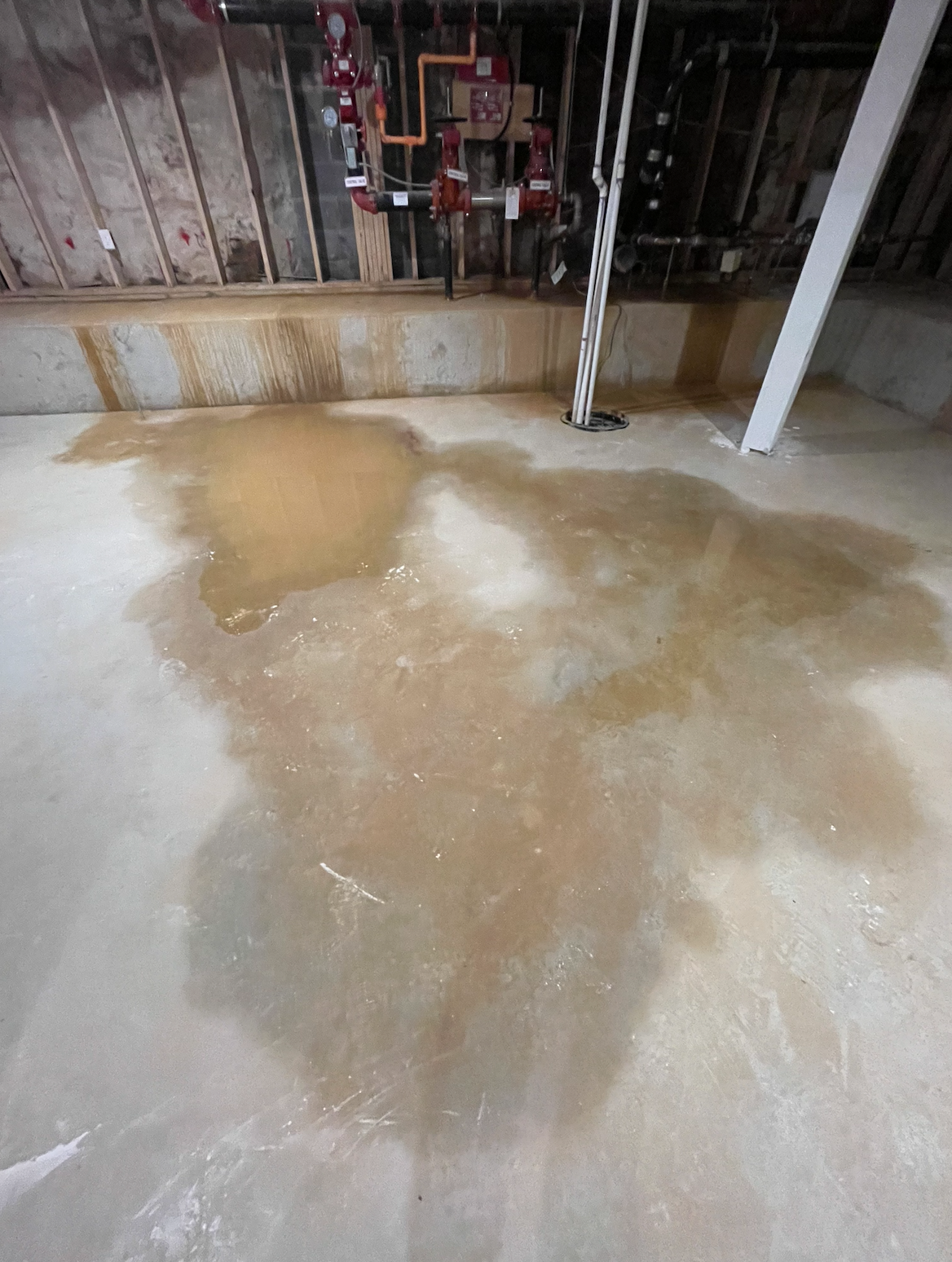
Water pooling on your basement floor after rain means water is pushing in through the slab or walls. It won't stop on its own — it comes back every time it rains.
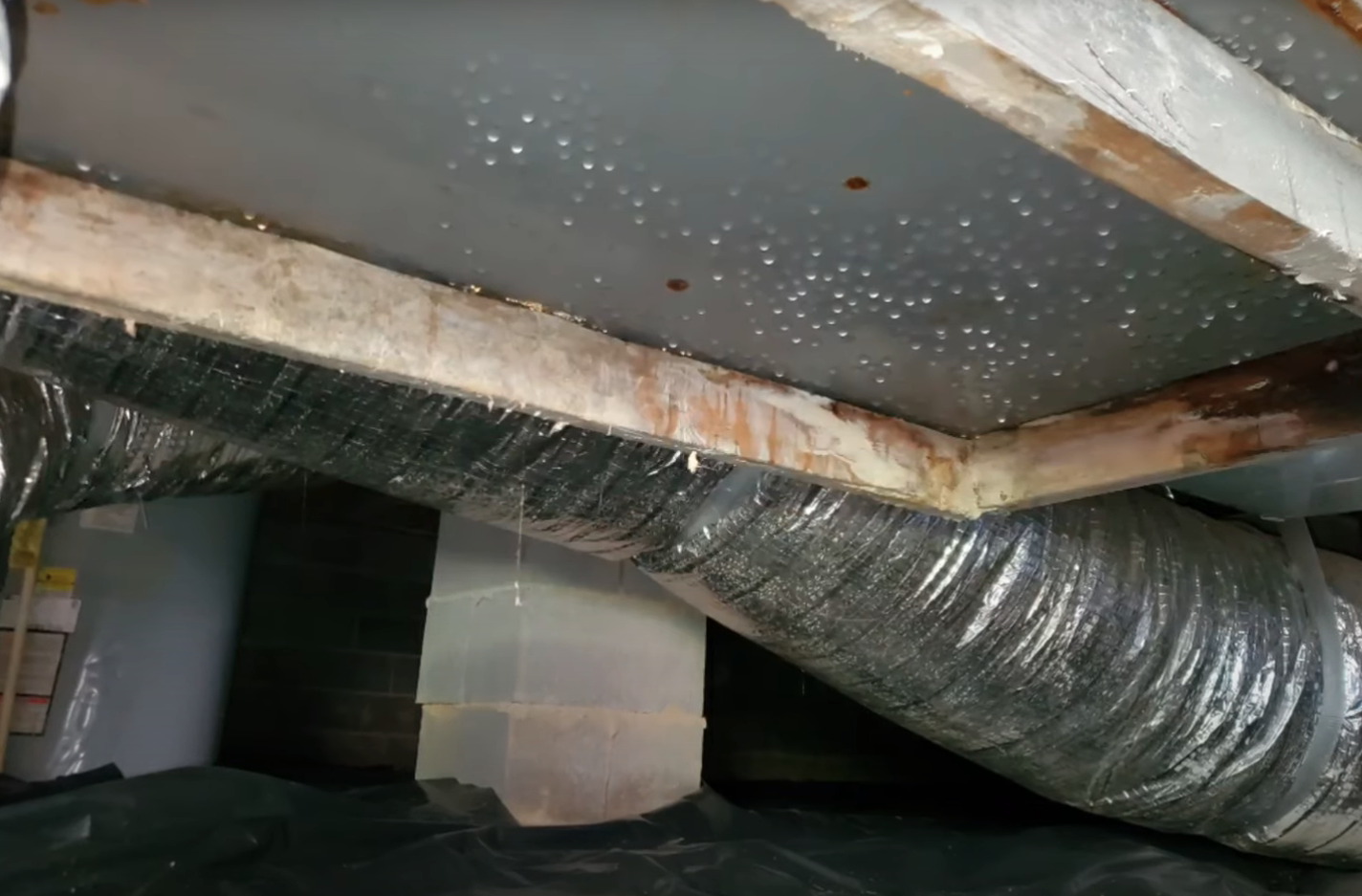
That damp, earthy smell isn't just "basement smell." It's moisture trapped with nowhere to go. Mold can start growing within 48 hours of water exposure.
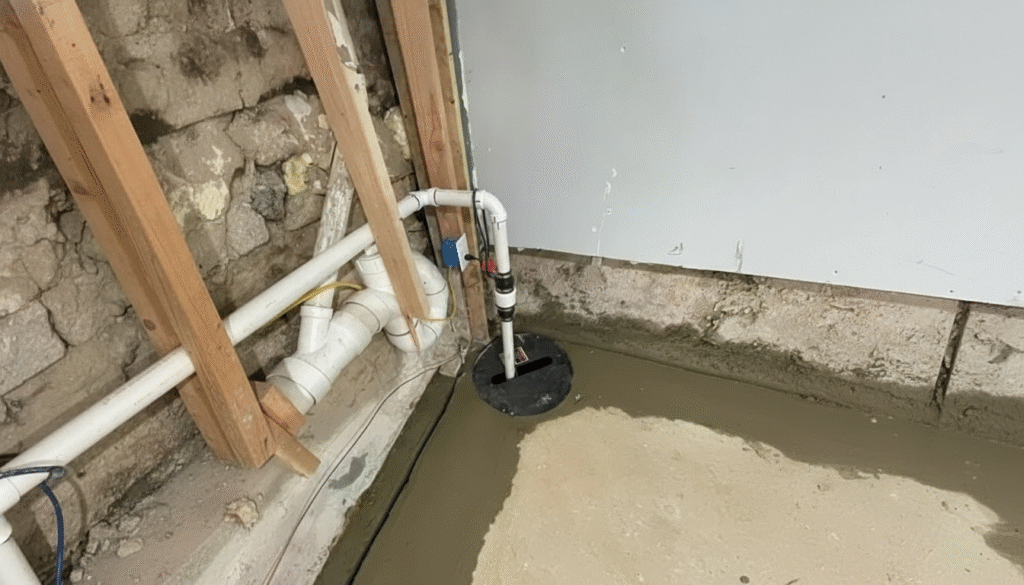
A pump that runs nonstop is overwhelmed or failing. A pump that won't kick on at all has already failed. Either way, your basement is unprotected.
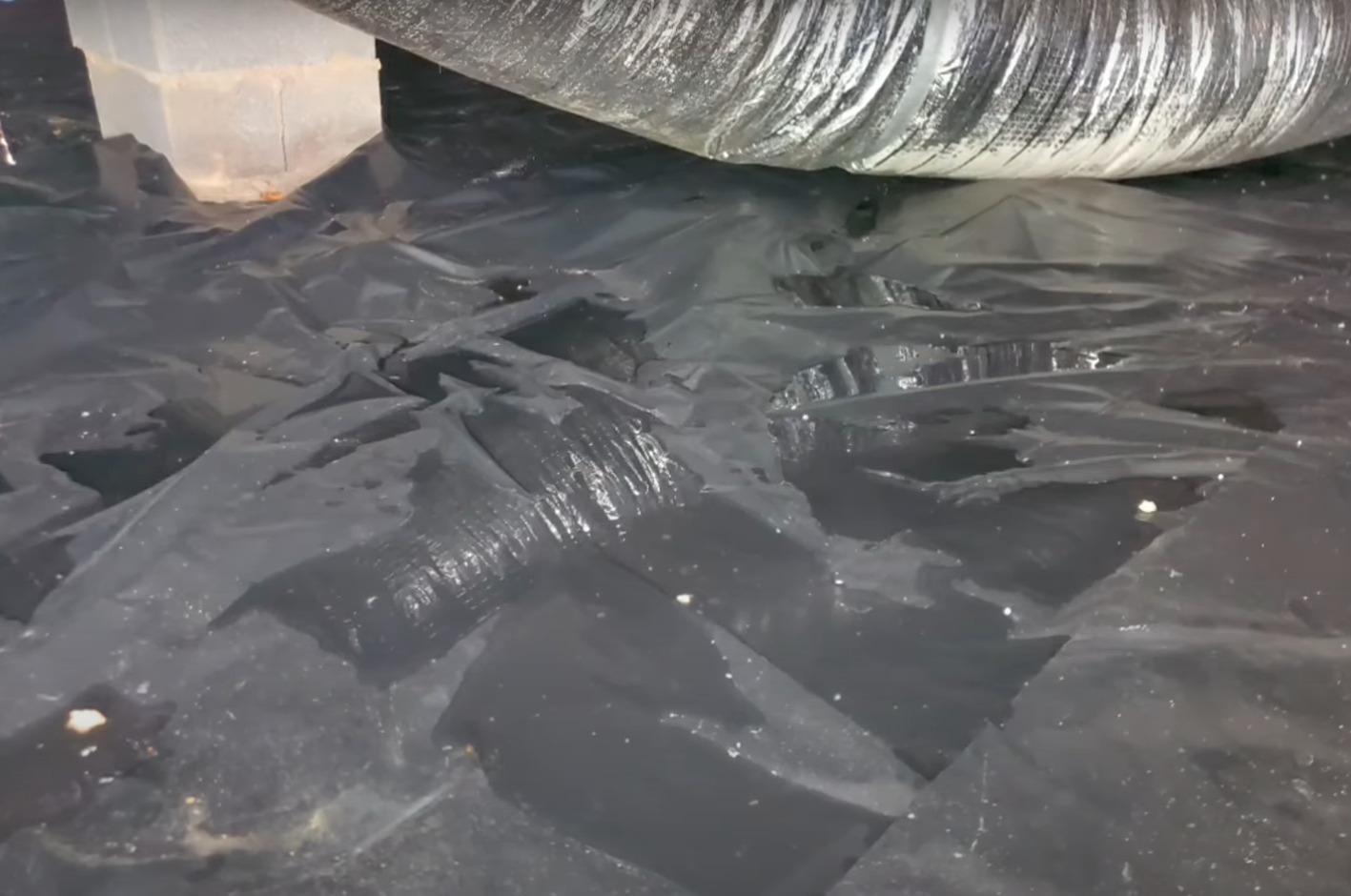
White mineral deposits or dark water lines on your walls mean water is actively moving through your foundation. The stain is the evidence — the water is the problem.
Sump pump installation is the most effective way to stop water from collecting in your basement. We size every system to match your home's water volume — not a one-size-fits-all approach. The pump is only part of the solution. The pit, the discharge line, and the backup system all have to work together. When one piece is wrong, the whole system fails. We make sure every piece is right.
If your home doesn't have a sump pit, we cut into the concrete slab, dig the pit, and install a properly sized basin with gravel bedding. A pit that's too small fills up instantly and burns the pump out. We size it so the pump has room to work without running nonstop.
The most common time you need your sump pump is during a storm. The most common time you lose power is during a storm. A battery backup sump pump kicks in the moment your primary pump loses power — so your basement stays dry when it matters most.
If your current pump is old, noisy, or not keeping up, we replace it with a properly sized submersible unit. We also check the discharge line, check valve, and float switch — because a new pump connected to a bad system still fails.
Our Process
We walk your basement, find where the water is coming in, check any existing equipment, and figure out exactly what your home needs. No guessing — we look at the actual problem first.
We recommend the right pump, pit size, discharge route, and backup option for your specific situation. You get a written quote with everything included before any work starts.

Our crew installs the full system — pit, pump, check valve, discharge line, and backup if needed. We test everything under load before we leave and clean up the work area.
We walk you through the finished system, show you how it works, and give you simple maintenance instructions. You'll know exactly what to expect the next time it rains.
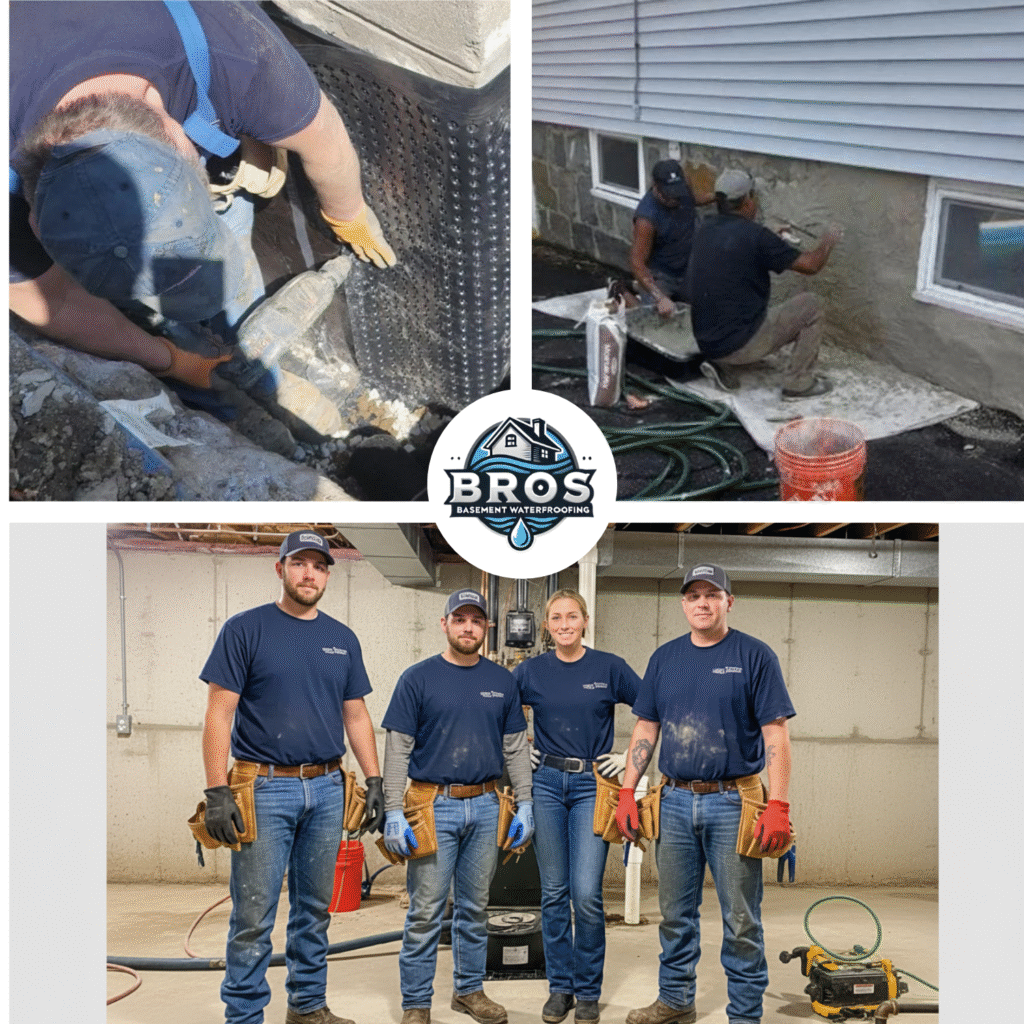
We don't just drop in a pump and leave. We install complete systems — the pit, the pump, the discharge, and the backup — because that's what actually keeps your basement dry. A sump pump is often part of a larger basement waterproofing system. A pump without the right support system is just a temporary fix waiting to fail.
We tell you what you need and nothing more. If a simple pump replacement solves the problem, that's what we recommend. If you need a full system with a French drain connection and battery backup, we'll explain exactly why before you spend a dollar. No pressure. No upselling.
Every job comes with a written quote, clear timelines, and warranty-backed work. We show up when we say we will, protect your belongings during the install, and follow up after the first heavy rain to make sure everything is working the way it should.
Get My Free Quote
Cost depends on whether you need a new sump pit, the type of pump, discharge line routing, and whether a battery backup is included. We provide a written quote after inspecting your basement so you know exactly what you're paying for before any work begins.
If you've ever had water on your basement floor after rain, noticed a musty smell, or seen water stains on your walls, a sump pump is the most reliable way to stop it from getting worse. Water problems don't fix themselves — they get more expensive the longer you wait.
Most sump pumps last 7 to 10 years with proper maintenance. Builder-grade pumps installed when the home was built often fail sooner. If your pump is over 7 years old, makes unusual noises, or runs constantly, it's time for an inspection.
A professional installation involves cutting concrete, digging and sizing the pit correctly, routing the discharge line so it doesn't freeze or dump water back at the foundation, and wiring to a GFCI outlet. Getting any of these steps wrong can cause pump failure, flooding, or damage that costs far more than the original install.
If you have a real water problem, yes. The most common time your pump needs to run is during a heavy storm — and that's also when power outages happen. A battery backup sump pump kicks in automatically when the power goes out so your basement stays protected.
Bros Basement Waterproofing provides foundation repair across all of our service areas. Schedule your free inspection to find out exactly what your home needs.